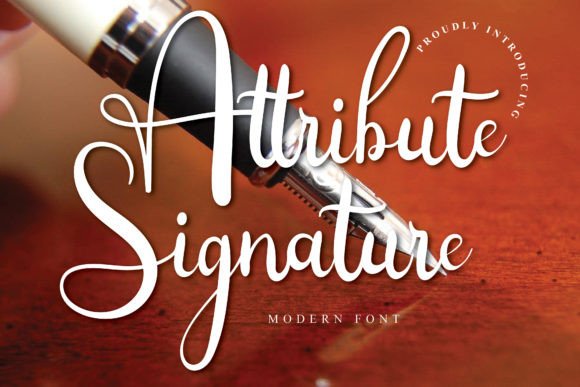
Attribute Signature: A Comprehensive Evaluation for Designers
In the competitive landscape of digital and print design, typography plays a pivotal role in establishing brand identity and visual hierarchy. When selecting typefaces, professionals often seek a balance between aesthetic appeal and functional versatility. Attribute Signature has emerged as a distinct option within this category, offering a fresh and beautiful style that caters to specific creative needs. This evaluation explores the characteristics of Attribute Signature, analyzing its suitability for various applications ranging from YouTube banners to wedding invitations.
Understanding Attribute Signature
Attribute Signature is characterized by its unique blend of simplicity and elegance. Unlike standard serif or sans-serif fonts that prioritize maximum legibility above all else, this typeface introduces a stylistic flair reminiscent of hand-lettering while maintaining structural integrity. The font is described as simple yet unique, a combination that allows it to stand out without overwhelming the viewer. Its design philosophy centers on creating an emotional connection through form, making it particularly effective in contexts where personality and warmth are desired.
The "fresh" quality attributed to Attribute Signature stems from its modern interpretation of signature-style scripts. It avoids the excessive flourishes found in traditional calligraphy fonts, which can sometimes appear dated or difficult to read at smaller sizes. Instead, it offers a clean, approachable look that feels contemporary. This makes it a viable candidate for projects that require a personal touch but cannot afford to sacrifice readability.
Key Applications and Use Cases
The versatility of Attribute Signature makes it applicable across a wide spectrum of design mediums. Understanding where this font excels helps designers determine if it aligns with their current project requirements.
Digital Media and Branding
In the realm of digital content, visibility is paramount. Attribute Signature is well-suited for YouTube banners and social media headers. The unique strokes of the font can capture attention quickly, distinguishing a channel's branding from competitors who may rely on generic block letters. Furthermore, for cover logo mockups, the font adds a layer of sophistication that can elevate a brand's perceived value. When used correctly, it suggests a business that pays attention to detail and values aesthetics.
Print and Event Materials
Traditional print materials often benefit from the human element that script fonts provide. Wedding invitations are perhaps the most common use case for this style of typography. Attribute Signature conveys romance and formality without appearing overly ornate. Similarly, for ID cards and corporate badges, the font can add a touch of individuality to what is typically a sterile document, provided the text size remains sufficient for identification purposes.
Crafts and Marketing Collateral
For small businesses and hobbyists, flyers and craft projects often require a cost-effective solution that looks professional. Attribute Signature serves this purpose well. Its simple nature ensures that it reproduces cleanly on various paper stocks and screen resolutions. Whether designing a flyer for a local event or a handmade product label, the font provides a polished finish that supports the narrative of a growing enterprise.
Strategic Benefits for Business Development
One of the primary arguments for adopting a specialized font like Attribute Signature is the potential impact on business progression. Visual consistency is a cornerstone of brand development. By utilizing a font that is both distinctive and readable, a business can create a memorable visual identity. This distinctiveness aids in customer recall, which is essential for long-term growth.
When a design uses a font that feels "fresh," it signals innovation. Consumers are more likely to engage with brands that appear modern and attentive to trends. However, this progression relies on proper execution. The font must be integrated into a broader design system rather than used in isolation. If the surrounding elements—such as color palettes, imagery, and layout—are cohesive, the font acts as a catalyst for a unified brand message.
Evaluating Tradeoffs and Considerations
While Attribute Signature offers significant aesthetic advantages, it is not a universal solution. Designers must weigh the benefits against potential limitations before committing to it for a major project.
- Readability Constraints: As a signature-style font, Attribute Signature may struggle with body text. It is best reserved for headlines, titles, and short phrases. Using it for large blocks of text can reduce comprehension and fatigue the reader.
- Licensing and Compatibility: Before downloading or purchasing, it is crucial to verify the licensing terms. Some unique fonts come with restrictions regarding commercial use, especially for high-volume items like merchandise or widespread advertising campaigns.
- Contextual Fit: While the font is simple, it still carries a specific tone. It may be inappropriate for industries requiring a strictly corporate, technical, or minimalist aesthetic, such as law firms, medical institutions, or engineering consultancies.
When to Choose Alternatives
There are scenarios where Attribute Signature might not be the optimal choice. If a project demands absolute neutrality or high-speed scanning (such as in barcode integration or data-heavy dashboards), a more utilitarian typeface is preferable. Additionally, if the target audience includes individuals with visual impairments, the slight variations in stroke width found in signature fonts can sometimes hinder legibility compared to standard sans-serif options.
Designers should also consider the availability of weights and styles. Many modern display fonts offer extensive families with multiple weights (light, regular, bold) and italic variants. If Attribute Signature lacks these variations, it may limit the designer's ability to create contrast and hierarchy within a single layout. In such cases, pairing it with a robust geometric sans-serif can mitigate this limitation.
Practical Decision-Making Insights
To determine if Attribute Signature aligns with your goals, follow a structured decision-making process. First, define the primary emotion you wish to convey. If the goal is to evoke intimacy, creativity, or personalization, this font is a strong contender. Second, test the font in its intended environment. Mock up a YouTube banner or a sample invitation to see how it renders at different scales. Third, evaluate the competition. If similar brands in your niche are using highly stylized scripts, adopting Attribute Signature could help you blend in; conversely, if the market is dominated by rigid block letters, it could provide a necessary differentiation.
Ultimately, the success of any typographic choice lies in its harmony with the overall design. Attribute Signature is a powerful tool for those seeking to inject a sense of freshness and uniqueness into their work. By understanding its strengths in areas like branding, events, and crafts, and acknowledging its limitations in technical or dense text applications, designers can make informed decisions that enhance their projects. When selected with care, this font does more than just display text; it contributes to the narrative and development of the brand itself.