Fabulous: The Handwritten Font That Transforms Ordinary into Extraordinary
In a digital landscape saturated with sterile, uniform typefaces, finding a way to make your message stand out is more challenging than ever. Whether you are designing a business card for a local bakery, creating a thank-you note for a client, or crafting a marketing campaign that needs to grab attention instantly, the choice of typography plays a pivotal role. This is where Fabulous enters the conversation. It is not merely a font; it is a bold handwritten family designed to take any item out of the ordinary and elevate it into something spectacular.
But what exactly makes this typeface so effective? How can creators and business owners leverage its unique characteristics without compromising readability or professionalism? In this guide, we will explore the essence of Fabulous, its practical applications, and why it might be the missing piece in your design toolkit.
What Makes Fabulous Different?
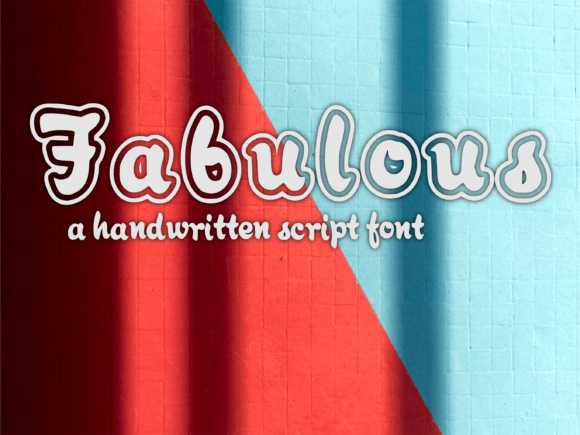
At first glance, Fabulous captures the energy of a marker sweeping across paper. Unlike rigid sans-serifs or traditional serifs that demand order, this font embraces the imperfections of human handwriting. It is characterized by thick, confident strokes and a dynamic flow that suggests movement and personality. The "bold" nature of the font family ensures that it commands attention, making it ideal for headlines, logos, and key messaging points.
The primary value of using Fabulous lies in its ability to inject emotion into static text. When a user sees a standard Arial or Helvetica font, their brain often filters it as background noise. However, when they encounter the organic curves and varied weights of Fabulous, they perceive warmth, creativity, and a personal touch. This psychological shift is crucial for brands looking to build genuine connections with their audience.
- Organic Flow: The letterforms mimic natural hand movements, avoiding the robotic feel of many digital fonts.
- Bold Presence: Designed to be large and impactful, ensuring legibility even from a distance.
- Versatile Personality: While bold, it retains a friendly demeanor suitable for both playful and professional contexts.
Practical Applications for Creators and Businesses
One of the most common questions regarding specialty fonts is where they fit best in a real-world workflow. The versatility of Fabulous allows it to bridge the gap between casual branding and high-end marketing materials. Below are several scenarios where this font family shines.
Marketing Materials That Pop
When creating flyers, brochures, or social media graphics, the goal is to stop the scroll. A standard headline often blends into the feed. By using Fabulous for your main call-to-action or headline, you create an immediate visual hook. Imagine a promotional poster for a summer festival; the bold, handwritten style of Fabulous evokes the excitement and spontaneity of the event itself. It transforms a simple announcement into an invitation to experience something special.
Personalized Business Cards
In the age of digital contact sharing, physical business cards have become a luxury item that signals quality and thoughtfulness. A card printed with a generic font feels mass-produced. However, incorporating Fabulous on a card—perhaps for the name or the tagline—adds a layer of authenticity. It suggests that the person behind the business cares about details and wants to leave a memorable impression. This is particularly effective for creatives, consultants, and entrepreneurs who rely on personal relationships.
Thank You Notes and Greetings
There is a profound difference between a printed email and a handwritten note. Fabulous captures the spirit of the latter while offering the consistency of digital production. For small business owners sending holiday greetings to clients or personalized thank-you notes to customers, using this font adds a human element that automated systems cannot replicate. It turns a transactional interaction into a relational one.
- Event Invitations: Weddings, birthdays, and corporate galas benefit from the celebratory tone of the font.
- Product Packaging: Artisanal goods like coffee, soap, or baked items look premium with a handwritten touch.
- Website Headers: Used sparingly, it can define the brand identity of a creative portfolio or blog.
Evaluating Suitability for Your Project
While Fabulous is a powerful tool, it is not a universal solution for every design challenge. To get the most out of this font family, it is essential to understand its strengths and limitations. The key to successful implementation lies in balance and context.
Strengths: The font excels in short bursts of text. Its bold weight and distinct character make it perfect for titles, quotes, and emphasis. It brings a sense of authority mixed with approachability, which is rare in typography. If your goal is to convey confidence and creativity simultaneously, Fabulous is an excellent choice.
Considerations: Because of its highly stylized nature, reading long paragraphs in Fabulous can be fatiguing. The varying stroke widths and organic shapes require more cognitive effort to decode than standard body text. Therefore, it should generally be avoided for legal disclaimers, terms of service, or lengthy instructional content. Instead, pair it with a clean, neutral sans-serif or serif font for body copy to maintain readability.
Limited Use Cases: If your brand identity relies on strict minimalism, precision, or a futuristic aesthetic, Fabulous might feel too informal. It is less suited for industries like law firms, medical practices, or financial institutions where trust is built through stability and tradition rather than creativity and flair. Always consider your target audience; if they value efficiency above all else, a bold handwritten font may distract from your core message.
Maximizing Impact Through Design Principles
To truly harness the power of Fabulous, designers must apply fundamental principles of layout and contrast. Here are some practical tips for integrating this font effectively.
Pairing is Key: Never let Fabulous work alone in a complex design. Pair it with a simple, unobtrusive font for supporting text. The contrast between the chaotic beauty of the handwritten style and the order of a geometric sans-serif creates a visual rhythm that guides the eye. For example, use Fabulous for the company logo and a clean font for the navigation menu.
White Space: Bold fonts demand room to breathe. Avoid cluttering the area around Fabulous elements. Give the letters space to expand and contract naturally. Crowding the text diminishes its impact and makes the design feel messy rather than artistic.
Color Choices: Since Fabulous is already visually loud, consider how color interacts with it. High-contrast combinations, such as white text on a dark background or vibrant colors on a neutral canvas, enhance the boldness. However, be cautious with neon or overly bright colors that might clash with the organic feel of the letterforms.
The Future of Personalization in Design
As consumers become increasingly desensitized to polished, corporate advertising, there is a growing demand for authenticity. People want to connect with real humans, not faceless entities. Fonts like Fabulous serve as a bridge in this digital divide. They allow businesses to project a human voice without needing actual handwriting on every single piece of collateral.
For the general consumer, understanding the utility of such tools empowers better decision-making. Whether you are a DIY entrepreneur printing stickers for a side hustle or a marketing director launching a rebrand, knowing when to reach for a bold handwritten font can be the difference between a forgotten flyer and a viral sensation.
In conclusion, Fabulous is more than just a typeface; it is a strategic asset for anyone looking to add a splash of personality to their communications. By understanding its capabilities and respecting its limitations, you can create materials that are not only readable but also memorable. From business cards that spark conversations to marketing campaigns that inspire action, this font family proves that taking the ordinary and making it spectacular is within reach.
So, the next time you find yourself staring at a blank canvas, ask yourself: does this design need more structure, or does it need more soul? If the answer is the latter, consider letting Fabulous do the talking.